
Epilepsy Surgery
Clinical Interests Last updated: Author: Yücel Doğruel, MD, Neurosurgeon
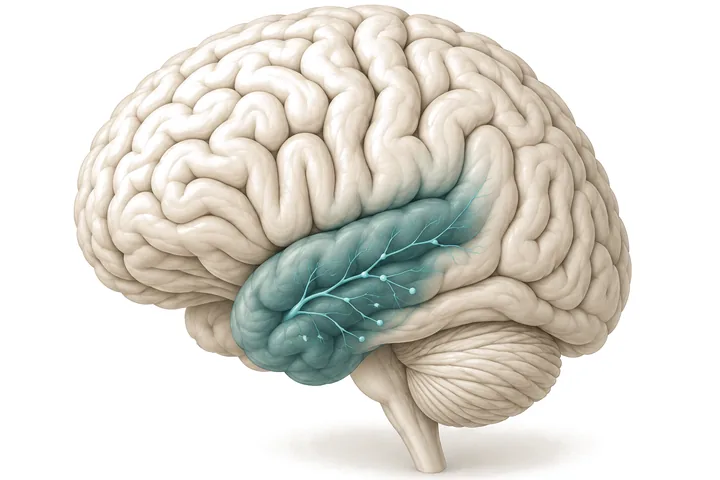
Epilepsy is a neurological disease characterised by recurrent seizures caused by abnormal electrical activity of the nerve cells in the brain. In a large proportion of patients the seizures can be controlled with medication. In some patients, however, seizures continue despite appropriate drug treatment, and surgical options then come into consideration.
The aim of epilepsy surgery is to control the seizures by removing the region of the brain in which they arise, by dividing the connections through which they spread, or by electrically stimulating particular neural networks. The surgical method is determined by the type of epilepsy, the origin of the seizures and the patient’s clinical features.
What is drug-resistant epilepsy?
Anti-seizure medication is the first-line treatment of epilepsy. According to the definition of the International League Against Epilepsy (ILAE), epilepsy is considered drug-resistant when sustained seizure freedom is not achieved despite two appropriately chosen, tolerated and adequately used anti-seizure medication schedules.
In this situation, assessment of the patient for epilepsy surgery is recommended. Being referred for surgical assessment does not necessarily mean that an operation will be performed. The aim is to identify the source of the seizures and to investigate which of the available treatment options are suitable.
In which situations is epilepsy surgery considered?
Temporal lobe epilepsy
Seizures arising from the temporal lobe of the brain are among the types of epilepsy most often assessed for surgical treatment. Surgical options can be explored in particular for hippocampal sclerosis and for epileptogenic lesions located in the temporal lobe.
In temporal lobe surgery, different techniques may be used according to the source of the seizures and the functions of the surrounding brain structures.
Epilepsy due to structural brain lesions
Structural lesions such as malformations of cortical development, low-grade brain tumours and cavernomas can cause epileptic seizures.
In the surgical decision, the relationship between the lesion seen on imaging and the region in which the seizures begin is assessed. Not every structural lesion is assumed to be responsible for the seizures.
Severe epilepsy arising from one cerebral hemisphere
In some patients the seizures arise from a disease that affects one cerebral hemisphere extensively.
In such cases, surgical methods such as hemispherotomy may be considered in selected patients, particularly those with drug-resistant and severe seizures.
Epilepsy unsuitable for resective surgery
In some patients, where the region in which the seizures begin cannot be removed safely, where there is more than one seizure focus, or where surgical resection is not appropriate, neuromodulation methods such as vagus nerve stimulation (VNS) may be considered.
The principal aim of these methods is to reduce the frequency of seizures and the burden of the disease.
Which investigations precede epilepsy surgery?
The decision on epilepsy surgery does not rest on the brain MRI or the EEG result alone. The characteristics of the seizures, the response to drug treatment, the imaging findings and the functional organisation of the brain are assessed together.
The following methods may be used in the presurgical investigation:
- Video-EEG monitoring: recording the electrical activity of the brain during seizures and investigating the region in which they begin.
- Brain MRI with an epilepsy protocol: detailed examination of structural lesions that may be causing the seizures.
- Neuropsychological assessment: assessment of memory, language, attention and other cognitive functions.
- Advanced imaging and electrophysiological studies: investigation of the seizure focus with additional methods such as PET, SPECT or intracranial EEG in patients who need them.
The results of these investigations are turned into a surgical treatment plan through joint assessment by the specialties involved.
In determining the surgical approach, not only the resectability of the seizure focus but also the possible effects on neurological functions such as speech, memory, vision and movement are taken into account.
Methods used in epilepsy surgery
Selective amygdalohippocampectomy
Selective amygdalohippocampectomy is a method of surgically removing the amygdala and the hippocampus, which play a part in the generation of seizures, in suitable cases of temporal lobe epilepsy.
The aim of this approach is to target the medial temporal structures involved in the seizures while preserving the surrounding brain tissue as far as possible.
Different anatomical routes can be used to reach the surgical target. An operative video study of selective amygdalohippocampectomy by the paramedian supracerebellar transtentorial approach is among the scientific publications in this field.
Other temporal lobe and focal resections
Depending on the source of the seizures, removal of particular parts of the temporal lobe or of the structural lesion causing the epilepsy may be planned.
The extent of surgery is determined by the boundaries of the seizure focus, the imaging and electrophysiological findings, and the position of the surrounding functional brain areas.
Hemispherotomy
Hemispherotomy is a surgical method used in severe, drug-resistant epilepsy arising from one cerebral hemisphere; it rests on dividing, to a large extent, the connections between that hemisphere and the rest of the brain.
This procedure is not the same as removing the entire hemisphere. Because of its extent and its possible neurological effects, it requires careful patient selection.
Vagus nerve stimulation (VNS)
In vagus nerve stimulation, an electrode attached to the vagus nerve in the neck is used together with a stimulator device placed in the chest region.
The electrical impulses delivered by the device are intended to reduce the frequency of seizures. VNS is a method used in addition to drug treatment in suitable patients; it does not guarantee that the seizures will disappear altogether.
The aim of surgical treatment and possible outcomes
The principal aim of epilepsy surgery is to eliminate the seizures altogether or to reduce their frequency and severity. The outcome of treatment is influenced by the type of epilepsy, how well the seizure focus can be defined, the surgical method used and the patient’s other characteristics.
In suitable patients in whom the seizure focus can be removed, seizure freedom can be achieved. The same result, however, is not obtained in every patient.
Depending on the surgical method, changes in memory, speech, vision or movement and the other risks of surgery may arise. The expected benefit and the risks are therefore assessed individually before the operation.
After surgery, it may be necessary to continue anti-seizure medication for a period or in the long term. Reducing or stopping medication is planned by the neurology team according to the patient’s seizure control and the findings at follow-up.
Frequently asked questions
If seizures continue despite two epilepsy drugs, is surgery needed?
Not necessarily. Seizures that continue despite two appropriately chosen and adequately used drug treatments may call for assessment for epilepsy surgery. Not every patient, however, is suitable for surgical treatment.
If no lesion is seen on MRI, does that rule out surgery?
No. In some patients with epilepsy no distinct structural lesion is seen on MRI. In these patients the seizure focus can be investigated with video-EEG and the other necessary studies. Suitability for surgery is determined by the results of the whole assessment.
Do seizures stop completely after epilepsy surgery?
In some patients the seizures may disappear altogether. The outcome, however, depends on the type of epilepsy, the seizure focus and the surgical method used. Seizure freedom cannot be guaranteed in every patient.
Can selective amygdalohippocampectomy be used in every temporal lobe epilepsy?
No. This method may be considered in suitable patients whose seizures arise from the medial temporal structures such as the amygdala and the hippocampus. The same surgical method is not used in every type of temporal lobe epilepsy.
Does VNS replace epilepsy surgery?
VNS is not the same treatment as surgical removal of the seizure focus. It is an additional treatment option aimed at reducing seizures, particularly in some patients who are not suitable for resective surgery.
Can medication be stopped after epilepsy surgery?
In some patients, reducing medication may be considered once long-term seizure control has been achieved. In many patients, however, drug treatment continues after surgery. Medication should not be stopped without medical advice.
Information needed for the first assessment
Previous neurological assessments, the names and doses of the anti-seizure medications in use, EEG and video-EEG reports and the brain MRI images are important for the first assessment.
It is helpful if the MRI images are available in DICOM format and previous studies are also shared. Information on when the seizures began, their frequency and their characteristics also supports the assessment.
It is not necessary for all advanced investigations to have been completed before the first assessment.
For referring physicians
The surgical assessment is faster when the neurological assessment, the video-EEG report where available, a DICOM copy of the MRI acquired with an epilepsy protocol and a list of the anti-seizure medications in use are sent with the referral. Professional correspondence: yucel@yuceldogruel.com
Related publications
The information on this page is for general purposes only. Diagnosis and treatment decisions are made on the basis of each patient’s individual assessment.